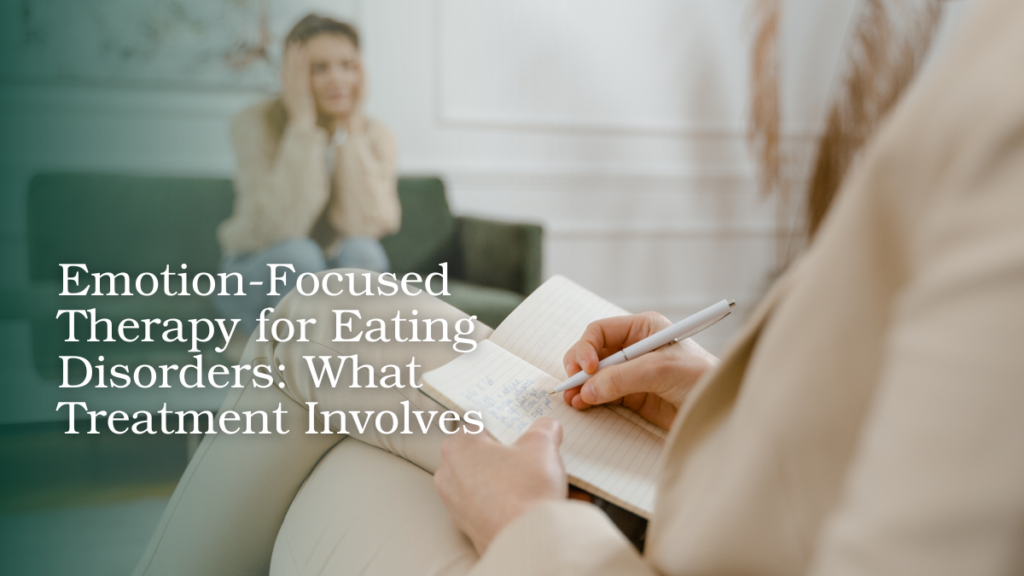
Anxiety is often misunderstood because it does not always present itself in obvious ways. Most people associate it with panic attacks, visible nervousness, or constant worry. But in reality, anxiety is far more subtle and, at times, far more deceptive. It can exist beneath routines that look completely normal from the outside. People go to work, meet deadlines, maintain relationships, and still carry a level of internal distress that never fully settles.
What makes anxiety particularly difficult to recognize is how easily it blends into personality traits or lifestyle patterns. It can look like being responsible, detail-oriented, driven, or even emotionally reserved. Over time, these patterns become so normalized that they stop being questioned, even when they begin to take a toll.
At practices like Weiss Wellness LLC, anxiety is often identified not through dramatic symptoms but through these quieter, persistent patterns that affect how a person thinks, reacts, and moves through daily life. Under Tracey Weiss, the focus is on helping individuals recognize these less obvious signs and understand how they are shaping their behavior over time.
The following signs are not always immediately associated with anxiety, but they are often the ones that remain unaddressed the longest.
1. Constant Overthinking That Feels Productive
One of the most overlooked signs of anxiety is overthinking that masquerades as problem-solving. It often feels like being thorough or prepared, but instead of leading to clarity, it creates mental exhaustion. Thoughts loop endlessly, revisiting past conversations, anticipating future scenarios, or trying to account for every possible outcome.
This kind of thinking rarely leads to resolution. Instead, it reinforces a sense of uncertainty, making it harder to make decisions or feel confident in them. What makes it difficult to identify as anxiety is that it can look like diligence or responsibility. Over time, however, it becomes clear that the thinking is not helping. It is simply continuing.

2. Difficulty Relaxing Even When There Is Time
Many people assume that anxiety disappears when external stressors are removed. In reality, individuals with anxiety often struggle the most during moments that are supposed to feel calm. Free time can feel uncomfortable or even unsettling. There is a sense that something needs to be done, even when nothing is urgent.
This constant internal activation keeps the body and mind in a state of low-level tension. Even activities meant to be relaxing can feel unfulfilling because the mind does not fully disengage. This is often misinterpreted as being highly driven or unable to sit still, but it reflects a nervous system that has difficulty slowing down.
3. Avoidance That Looks Like Preference
Avoidance is not always obvious. It does not always look like refusing to do something out of fear. Often, it shows up as subtle choices that seem like personal preferences.
Choosing not to attend social gatherings, delaying important tasks, or avoiding certain conversations can all be framed as reasonable decisions. But when these patterns are consistent, they often indicate an underlying attempt to reduce discomfort or anxiety.
Over time, avoidance reinforces anxiety. The more situations are avoided, the more difficult they feel when they cannot be avoided. This creates a cycle where the range of what feels manageable gradually becomes smaller.
4. Physical Symptoms Without a Clear Cause
Anxiety frequently shows up in the body before it is fully recognized in the mind. This can include muscle tension, headaches, digestive issues, fatigue, or a persistent sense of restlessness.
Because these symptoms are physical, they are often addressed in isolation. People may focus on sleep, diet, or exercise without realizing that the root cause is psychological. When physical symptoms persist without a clear medical explanation, anxiety is often a contributing factor.
What makes this particularly challenging is that the mind may not feel overtly anxious. The body, however, is already responding as if it is under stress.
5. A Constant Need for Reassurance
Seeking reassurance is a natural part of human interaction, but when it becomes frequent and necessary to feel stable, it can indicate anxiety. This might involve repeatedly asking others for confirmation, second-guessing decisions, or needing validation before moving forward.
The relief from reassurance is temporary. It reduces uncertainty in the moment but does not address the underlying pattern. Over time, this creates dependence on external input rather than internal confidence.
This pattern is often mistaken for being careful or thoughtful, but it reflects difficulty tolerating uncertainty.
6. Irritability That Feels Out of Proportion
Anxiety is not always experienced as fear. It can also show up as irritability. Small inconveniences can feel disproportionately frustrating, and patience can become harder to maintain.
This happens because the mind is already operating at a heightened level of sensitivity. When additional stressors are introduced, even minor ones, they can feel overwhelming.
Irritability is often misattributed to external circumstances, such as workload or lack of sleep. While these factors can contribute, underlying anxiety often amplifies the reaction.
7. Feeling “On Edge” Without Knowing Why
One of the most common but least understood signs of anxiety is a persistent sense of unease. There may not be a clear reason for it. Nothing specific is wrong, yet there is a feeling that something is off.
This can manifest as difficulty focusing, a sense of restlessness, or a subtle tension that never fully disappears. It is easy to dismiss because it is not tied to a specific event or situation.
Over time, this baseline level of discomfort can affect decision-making, relationships, and overall well-being.
Why These Signs Are Often Missed?

The reason these signs go unnoticed is because they do not disrupt functioning immediately. People continue to meet responsibilities and maintain routines. From the outside, everything appears stable.
Internally, however, there is a continuous effort to manage thoughts, emotions, and reactions. This effort can be exhausting, even if it is not visible to others.
Because these patterns develop gradually, they often become part of how a person identifies themselves. It can feel like “this is just how I am” rather than something that can be addressed.
When It Starts Affecting Daily Life?
Anxiety becomes more noticeable when it begins to interfere with daily functioning. This might include difficulty concentrating, avoiding situations that were previously manageable, or feeling consistently overwhelmed.
At this stage, the impact is no longer subtle. It starts to affect productivity, relationships, and overall quality of life.
Recognizing this shift is important because it signals that the patterns are no longer sustainable without support.
How Therapy Helps Address Hidden Anxiety?
At Weiss Wellness LLC, therapy focuses on identifying these patterns early and understanding how they operate in each individual’s life. Under Tracey Weiss, the approach is not limited to discussing symptoms. It is centered on building awareness and developing practical strategies to manage them.
This includes recognizing thought patterns, understanding emotional responses, and learning how to respond differently in situations that trigger anxiety. The goal is not to eliminate anxiety entirely, but to reduce its impact and increase a sense of control.
Final Thoughts
Anxiety does not always announce itself clearly. It often exists in patterns that feel familiar and even functional, which is why it can go unrecognized for so long.
If any of these signs feel familiar, it does not necessarily mean something is severely wrong. It does mean that your mind and body may be working harder than they need to.
At Weiss Wellness LLC, the focus is on helping individuals understand these patterns and develop ways to navigate them more effectively. With the guidance of Tracey Weiss, therapy becomes a process of building clarity, reducing internal strain, and creating a more balanced way of responding to everyday life.
The earlier these patterns are recognized, the easier they are to address. And in many cases, that awareness is what begins to shift everything.