After a long, stressful day, have you ever found yourself reaching for snacks even though you weren’t physically hungry? You tell yourself it’s “just one treat,” but before you know it, you’ve eaten more than you intended. In the moment, eating can feel like the quickest way to find a little comfort or escape
Understanding why stress makes emotional eating worse is the first step toward changing it. More importantly, therapy can help you address the emotional patterns behind emotional eating so you can build a healthier relationship with both food and your emotions.
In this blog, you’ll learn why stress can trigger emotional eating, how to recognize the signs, and how Eating disorders therapy can help you build healthier ways to cope with difficult emotions.
How Stress and Emotional Eating Become Connected
Stress affects both your mind and your body. When you’re under pressure, your brain releases stress hormones like cortisol, which can increase cravings for foods that are high in sugar, fat, and salt. These foods temporarily activate the brain’s reward system, making you feel calmer or more comforted for a short time.
The problem is that emotional eating isn’t driven by physical hunger. it’s driven by emotional discomfort. As long as stress remains unresolved, the urge to use food as a coping strategy often returns.
The following are some of the most common reasons emotional eating becomes harder to manage during stressful periods.
6 Reasons Stress Affects Your Eating Habits
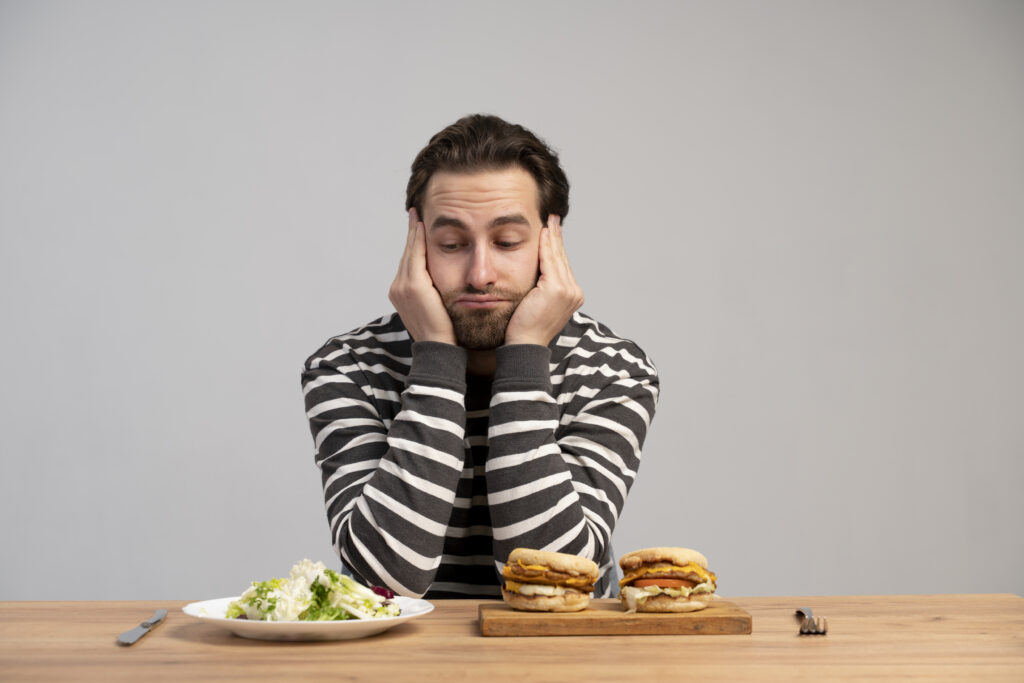
1. Food Becomes Your Fastest Source of Comfort
Why it happens
When you’re overwhelmed, your brain naturally looks for something that will help you feel better as quickly as possible. Comfort foods provide temporary pleasure because they stimulate the release of dopamine, a chemical associated with reward and satisfaction.
Over time, your brain begins making an automatic connection:
Stress → Comfort food → Temporary relief
The more often this pattern repeats, the stronger the habit becomes.
For example
You find yourself standing in front of the fridge again, hoping a snack will help you feel better. It’s not hunger that’s bringing you there. It’s the need for comfort after tiring day.
What helps
Instead of immediately reaching for food, pause for a minute and ask yourself:
- Am I physically hungry?
- What happened today that’s making me want to eat?
- What emotion am I trying to soothe?
Simply identifying the emotion can reduce the urge to react automatically.
But comfort isn’t the only reason stress affects your eating, stress can also make it harder to recognize when you’re truly hungry.
2. Stress Makes It Harder to Notice Your Hunger Cues
Why it happens
When life feels busy or overwhelming, many people disconnect from their body’s natural hunger and fullness signals.
You might:
- Skip breakfast because you’re rushing to work.
- Forget lunch during a busy day.
- Eat very little until the evening.
By nighttime, you’re both physically hungry and emotionally exhausted, making overeating much more likely.
For example
You barely eat all day because you’re very busy with your work deadlines. After dinner, you continue snacking for hours, thinking you’re “out of control.” Your body is trying to get the nourishment it needs.
What helps
Eating regular, balanced meals throughout the day helps prevent extreme hunger, making emotional eating easier to recognize and manage.
Once these hunger cues become harder to recognize, emotional eating can gradually turn into an automatic habit.
3. Emotional Eating Becomes a Habit Instead of a Choice
Why it happens
The more often food is used to cope with stress, the more automatic the behavior becomes.
Eventually, you may find yourself opening the refrigerator before you’ve even stopped to think about how you’re feeling.
For example
Every evening after putting the kids to bed, you automatically head to the kitchen for snacks. It’s become part of your routine, even on days when you’re not hungry.
What helps
Instead of trying to stop the habit immediately, become curious about it.
Ask yourself:
- When do I usually crave food?
- What happened just before the craving started?
- What emotion was I experiencing?
Understanding the pattern is often the first step toward changing it.
As this habit becomes more automatic, emotional exhaustion can make it even harder to break the cycle.
4. Stress Leaves You Emotionally Drained
Why it happens
Managing emotions takes mental energy.
After a long day of work, parenting, caregiving, or dealing with difficult situations, your emotional resources become depleted.
When you’re emotionally exhausted, resisting cravings becomes much harder—not because you’re weak, but because your brain is simply running low on energy.
Example
You spend the entire day solving problems for everyone else. By the evening, ordering fast food feels easier than cooking a balanced meal because you have no energy left.
What helps
Rather than waiting until you’re completely overwhelmed, try building small moments of recovery into your day.
Examples include:
- Taking a short walk during lunch.
- Practicing deep breathing for five minutes.
- Listening to calming music during your commute.
- Stepping outside for fresh air between tasks.
Reducing overall stress often reduces emotional eating as well.
When you’re emotionally drained, the choices you make around food can also be influenced by guilt and self-criticism.
5. Guilt Keeps the Cycle Going
Why it happens
After emotional eating, many people become highly self-critical.
You may think:
- “I have no self-control.”
- “I’ve ruined my diet.”
- “I’ll start again on Monday.”
These thoughts often create even more emotional distress, making another episode of emotional eating more likely.
Example
After eating dessert, you decide the day is already “ruined” and continue eating late into the evening because you’ll “start over tomorrow.”
What helps
Instead of judging yourself, respond with curiosity.
Ask:
- What was happening before I started eating?
- What emotion was I trying to manage?
Self-compassion is far more effective than self-criticism when it comes to changing long-term habits.
Even if you want to stop emotional eating, lasting change is difficult when the real source of your stress remains unresolved.
6. The Real Source of Stress Never Gets Addressed
Why it happens
Food may temporarily distract you from difficult emotions, but it can’t solve the problems causing them.
Whether you’re struggling with work pressure, relationship conflict, loneliness, grief, anxiety, or burnout, those stressors remain after the momentary comfort fades.
As a result, emotional eating often becomes a temporary escape rather than a lasting solution.
Example
You snack every evening while worrying about financial stress. The food helps you feel better for a little while, but the worry returns as soon as you’re finished eating.
What helps
Instead of asking,
“How do I stop emotional eating?”
a more helpful question is,
“What am I feeling that food is helping me avoid?”
Addressing the underlying stress often reduces the need to rely on food for comfort.
This is why simply trying to eat less isn’t enough. Eating Disorder therapy helps you address the emotional patterns behind stress eating.
Stress eating isn’t simply a habit to break. It’s often your mind’s way of coping with difficult emotions. At Weiss Wellness, we help you look beyond the eating habits themselves to understand the stress, emotions, and experiences that are keeping the cycle going.
Here’s how therapy helps you address those emotions at their source.
How Eating Disorder Therapy Helps You Break the Cycle of Emotional Eating
Many people believe emotional eating is simply a lack of self-control. In reality, it’s often a coping strategy that develops because food provides temporary comfort to you during stressful moments.
At Weiss Wellness in New Jersey, we help you understand the emotional reasons behind your eating habits so you can make lasting changes by:
Identifying Your Personal Emotional Eating Triggers
Everyone’s emotional eating patterns are different. That’s why your therapist takes the time to understand what leads you to eat when you’re not physically hungry.
Together, you’ll explore whether your eating is triggered by:
- Stress at work or home.
- Anxiety, loneliness, or frustration.
- Relationship conflicts.
- Boredom or emotional exhaustion.
For example, you may discover that you reach for snacks every evening after work because it’s become your way of switching off after a stressful day. Once you understand your triggers, you’re better able to respond in healthier ways instead of eating on autopilot.
Once you understand your triggers, the next step is learning healthier ways to cope with them.
Building Healthier Ways to Cope With Stress
Food may offer comfort for a few minutes, but it doesn’t resolve the emotions behind it. At Weiss Wellness, your therapist helps you develop practical coping strategies that fit your lifestyle and emotional needs.
Together, you’ll learn how to:
- Manage stress without relying on food.
- Process difficult emotions instead of pushing them aside.
- Respond to overwhelming situations in healthier ways.
Over time, you’ll begin to feel less dependent on food as your primary source of comfort.
Breaking the Cycle of Guilt Around Food
Many people leave an emotional eating episode feeling frustrated with themselves. They promise to “do better tomorrow,” only to repeat the same pattern when stress returns.
At Weiss Wellness, therapy helps you:
- Recognize the self-critical thoughts that keep the cycle going.
- Replace guilt and shame with healthier, more balanced thinking.
- Understand that one difficult day doesn’t undo your progress.
When guilt no longer drives your choices, it becomes easier to build healthier habits that last.
With less guilt driving your choices, you can begin building a healthier and more balanced relationship with food.
Developing a Healthier Relationship With Food
Weiss Wellness helps you build a relationship with food that’s based on awareness rather than emotion.
therapist can help you:
- Recognize the difference between physical hunger and emotional hunger.
- Pause and ask yourself what you truly need before reaching for food.
- Eat without guilt while becoming more aware of your body’s hunger and fullness cues.
- Feel more confident making food choices without the pressure of perfection.
Healing isn’t about never eating for comfort again. Its about knowing that food doesn’t have to be your only way of coping.
How Weiss Wellness Can Help
If stress has turned emotional eating into a recurring pattern, you don’t have to work through it alone. At Weiss Wellness, we help you understand the emotional patterns behind your eating habits and support you in building healthier ways to cope.
Our therapists can help you:
- Identify the emotional triggers behind stress eating.
- Develop healthier coping strategies that don’t rely on food.
- Build a more balanced, guilt-free relationship with eating.
- Learn practical skills to manage stress, anxiety, and overwhelming emotions.
- Create realistic, lasting habits that support your overall well-being.
With compassionate, evidence-based care, Weiss Wellness helps you break the cycle of emotional eating and move toward a healthier relationship with food and yourself.
Final Thoughts
Emotional eating is your mind’s way of coping with stress when it doesn’t know another way to find relief. While food may provide comfort for a short time, lasting change comes from understanding the emotions driving the behavior.
If stress and emotional eating have become an ongoing cycle in your life, you don’t have to navigate it alone. At Weiss Wellness, our therapists provide compassionate, personalized care to help you understand your emotional triggers, develop healthier coping strategies, and build a more balanced relationship with food and yourself. Schedule your free phone consultation today and take the first step toward lasting emotional well-being.
Frequently Asked Questions (FAQs)
1. How do I know if I’m emotionally eating or physically hungry?
Physical hunger develops gradually and can usually be satisfied with a variety of foods. Emotional hunger often comes on suddenly, involves cravings for specific comfort foods, and is triggered by feelings such as stress, boredom, loneliness, or frustration rather than an empty stomach.
2. Is emotional eating considered an eating disorder?
Not necessarily. Many people occasionally eat in response to emotions, especially during stressful times. However, if emotional eating is frequent, feels difficult to control, or causes significant distress, it may be helpful to speak with a mental health professional to determine whether additional support is needed.
3. Can stress hormones really affect my eating habits?
Yes. When you’re under stress, your body releases hormones such as cortisol, which can increase your appetite and cravings for foods that are high in sugar, fat, and salt. This is one reason emotional eating often becomes more noticeable during stressful periods.
4. Can emotional eating lead to long-term health problems?
If it becomes a regular coping strategy, emotional eating may contribute to weight changes, digestive issues, reduced energy levels, and an increased risk of conditions such as obesity, type 2 diabetes, and heart disease. It can also affect your emotional well-being by reinforcing feelings of guilt or shame.
5. Is keeping a food journal helpful for emotional eating?
It can be. Tracking not only what you eat but also how you were feeling before and after eating can help you identify emotional triggers and recognize patterns. This awareness is often an important first step toward making lasting changes.
6. Can emotional eating affect people who are at a healthy weight?
Absolutely. Emotional eating isn’t determined by body size. People of all weights can use food to cope with stress or difficult emotions, even if their eating habits haven’t noticeably affected their weight.
7. How long does it take to break the cycle of emotional eating?
There’s no set timeline, as everyone’s experiences and triggers are different. Many people begin noticing positive changes as they become more aware of their eating patterns and develop healthier coping strategies. Lasting change often happens gradually through consistent practice and support.
8. When should I seek professional help for emotional eating?
Consider seeking support if emotional eating happens frequently, feels difficult to control, causes feelings of guilt or distress, or is affecting your physical health, emotional well-being, or daily life. Therapy can help you understand the underlying causes and develop healthier ways to manage stress and emotions.