You may look in the mirror and notice something you wish you could change. Maybe it is your skin, hair, face, stomach, or body shape. For some people, these concerns become much more than an occasional insecurity. They can take up hours of the day and affect how someone eats, exercises, socializes, or feels about themselves.
This can happen with body dysmorphic disorder (BDD) and eating disorders, but the two conditions are not exactly the same. In this article, we’ll explain what BDD and eating disorders are, how they can look similar, what makes them different, why someone can experience both, and when body image or eating concerns may be a sign that professional support could help.
What Does Body Dysmorphic Disorder Look Like?
BDD can show up in different ways, but a common feature is becoming intensely focused on a perceived flaw in appearance.
BDD can make small flaws feel very noticeable
Body dysmorphic disorder, or BDD, is a mental health condition where someone becomes very focused on something they believe is wrong with their appearance.
The perceived flaw may be minor or may not be noticeable to other people. But to the person experiencing BDD, it can feel like a major problem.
For example, someone might think:
- “My skin looks terrible.”
- “My nose is too big.”
- “My hair looks awful.”
- “My face looks uneven.”
- “My body doesn’t look right.”
The person may spend a lot of time looking in the mirror, comparing themselves with others, taking photos, asking for reassurance, or trying to hide the feature.
These worries can affect everyday life
BDD is more than simply disliking something about your appearance.
The concern can become so strong that a person avoids photographs, social events, dating, work, or other activities because they feel uncomfortable about how they look.
For example, someone might cancel plans because they feel their skin looks bad that day. Another person may keep checking their reflection before feeling comfortable leaving home.
The main issue is how much time, distress, and disruption these concerns create.
That helps us understand BDD, but eating disorders have a different starting point.
What Do Eating Disorders Look Like?
Eating disorders can affect people in different ways, but they often involve significant changes in eating behavior and thoughts or emotions around food.
Eating disorders can change how someone eats
Eating disorders are mental health conditions that involve significant disturbances in eating behavior and related thoughts or emotions. They can affect how someone thinks about food, weight, body shape, and eating.
Different eating disorders can look very different.
Someone may:
- Restrict how much they eat.
- Have intense fear of gaining weight.
- Experience episodes of binge eating.
- Try to compensate after eating.
- Avoid certain foods because of fear or anxiety.
- Spend a lot of time thinking about food or eating.
Not every eating disorder involves wanting to lose weight. For example, ARFID can involve food avoidance because of fear, anxiety, or strong dislikes around food rather than concerns about body shape.
Food and body concerns can become overwhelming
A person with an eating disorder may find that food decisions start controlling their day.
They might avoid eating with friends, feel extremely anxious after eating certain foods, or follow strict rules about when and what they can eat.
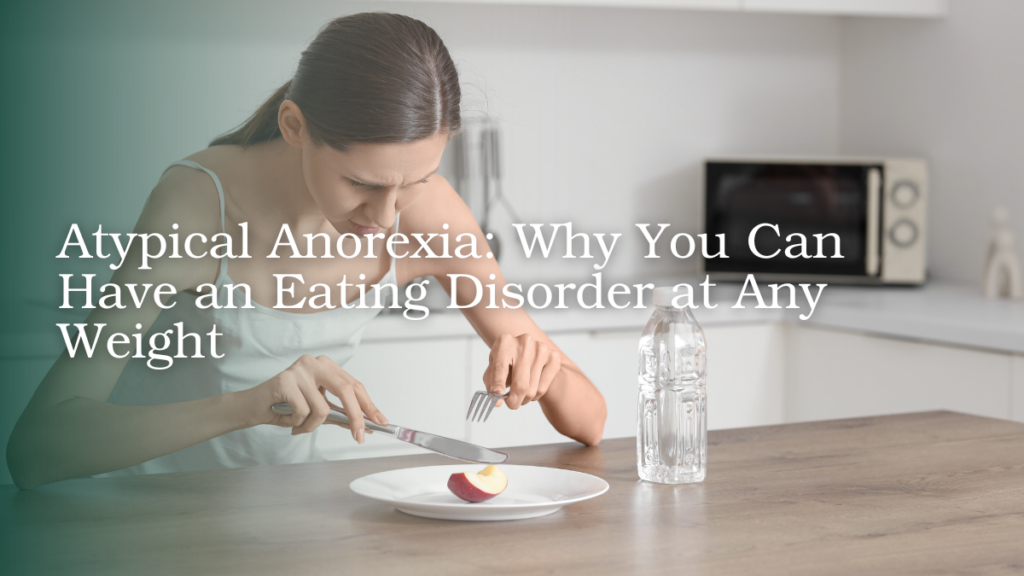
These behaviors can affect physical health as well as emotional well-being. Eating disorders can also occur at any body weight, so appearance alone cannot tell us whether someone has one.
Now that we have looked at both conditions separately, the differences become easier to see.
How Are BDD And Eating Disorders Different?
Although BDD and eating disorders can share some symptoms, the main concerns behind them are often different.
The main concern is usually different
The simplest way to understand the difference is to look at what is causing the greatest concern.
With BDD, the person is usually very focused on a perceived problem with their appearance. This can involve the skin, hair, face, teeth, muscles, or another feature.
However, the focus can vary by eating disorder. For example, ARFID is not driven by concerns about weight or body shape, while other eating disorders may involve a strong fear of weight gain or persistent concerns about body shape.
A simple comparison can help:
| Body dysmorphic disorder | Eating disorders |
| Focuses on perceived appearance flaws | Focuses on disturbed eating and related concerns |
| May involve skin, hair, face, muscles, or other features | Often involves food, weight, or body shape |
| Mirror checking and comparison may be common | Restriction, binge eating, or other eating behaviors may occur |
| Eating does not have to be a central concern | Disturbed eating behavior is part of the condition |
This is a general way of understanding the difference. Real experiences can be much more complicated.
Some symptoms can look very similar
BDD and eating disorders can both involve body dissatisfaction, shame, anxiety, comparison, body checking, avoidance, and low self-esteem.
Someone with either condition may spend significant time worrying about their appearance or trying to change aspects of their body.
For example, both may involve:
- Checking the body repeatedly.
- Comparing yourself with other people.
- Avoiding social situations.
- Feeling uncomfortable being photographed.
- Following strict food or exercise habits.
- Feeling distressed about how you look.
This overlap is one reason the two conditions can sometimes be difficult to tell apart.
One person can experience both conditions
Having BDD does not prevent someone from also having an eating disorder.
For example, someone may be extremely worried about their nose and spend hours trying to hide it. At the same time, they may have severe food restrictions because they are afraid of gaining weight.
In this situation, both sets of concerns may need to be assessed and addressed Research and clinical guidance recognize that BDD and eating disorders can occur together.
Muscle dysmorphia is another example of this overlap. Someone may feel that they are not muscular enough while also following strict eating and exercise habits to change their body.
So, rather than asking only what someone looks like, it is important to understand what they are thinking, feeling, and doing.
When Should Someone Consider Getting Help?
Body image and eating concerns do not always mean someone has a mental health condition, but certain patterns can signal that additional support may be helpful.
Appearance worries can become hard to manage
Everyone has moments when they feel unhappy with their appearance. Similarly, many people change their eating or exercise habits from time to time.
The concern becomes more serious when these thoughts or behaviors start taking over everyday life.
Some signs that support may be helpful include:
- Spending a lot of time worrying about appearance.
- Constantly checking or comparing your body.
- Avoiding people or activities because of appearance concerns.
- Following increasingly strict food rules.
- Feeling intense guilt or anxiety after eating.
- Exercising mainly to compensate for food.
- Feeling unable to break appearance or food-related rules.
- Experiencing significant distress because of these concerns.
These signs do not automatically mean someone has BDD or an eating disorder. A mental health professional can look at the full picture and help determine what kind of support may be appropriate.
The right support can make things easier
Treatment depends on the person’s symptoms and needs.
Therapy can help someone understand the thoughts and behaviors that keep these concerns going. CBT is commonly used in treatment for BDD and may also be used for certain eating disorders, depending on the person’s needs.
Getting help does not mean giving up on looking after yourself. It means finding a healthier way to manage appearance, food, exercise, and everyday life.
How Weiss Wellness Can Support You
Weiss Wellness provides a supportive space to talk about difficult thoughts, emotions, and behaviors surrounding body image and eating.
Therapy can help clients understand patterns that may be affecting their confidence, relationships, and daily lives. Support is tailored to the person’s individual concerns and needs.
If worries about appearance or eating are becoming difficult to manage, reaching out for professional support can be an important first step.
Final Thoughts On BDD And Eating Disorders
Body dysmorphic disorder and eating disorders can look similar, but they are not the same. BDD mainly involves intense concern about perceived problems with appearance, while eating disorders involve significant difficulties with eating and related behaviors. Still, the two can overlap, and some people experience both.
What matters is looking beyond appearance and understanding how these thoughts and behaviors affect daily life. Constant checking, comparison, strict food rules, or intense anxiety should not be dismissed. With appropriate support, people can work toward healthier patterns around body image, food, exercise, and everyday life.
If body image or eating concerns are affecting your life, Weiss Wellness can provide compassionate, individualized support.
Frequently Asked Questions
Is body dysmorphic disorder an eating disorder?
No. BDD and eating disorders are separate mental health conditions. BDD centers on intense concerns about perceived appearance flaws, while eating disorders involve significant problems with eating and related thoughts or behaviors. However, both conditions can occur together.
Can someone have BDD and an eating disorder?
Yes. A person can experience both conditions at the same time. For example, someone may be extremely worried about a facial feature while also having serious problems with food restriction or binge eating. Both concerns may need separate attention during treatment.
Does BDD always involve weight concerns?
No. BDD can involve many different parts of the appearance, including the skin, hair, face, teeth, muscles, or body shape. Weight can be part of someone’s concern, but it is not required for BDD.
Can men experience body dysmorphic disorder?
Yes. Men can experience BDD, including concerns about muscularity. Someone may feel too small or not muscular enough despite having a well-developed physique. These concerns can also influence eating, exercise, relationships, and social activities.
Is checking the mirror always a sign of BDD?
No. Looking in the mirror is a normal part of everyday life. It may become concerning when checking happens repeatedly, becomes difficult to control, causes significant distress, or starts interfering with work, relationships, social activities, or other parts of daily life.
Can someone have an eating disorder at any weight?
Yes. Eating disorders can affect people at different body weights. Someone may appear healthy while still experiencing serious eating-disorder symptoms. A person’s appearance alone cannot determine whether they have an eating disorder.
Can body image concerns affect eating?
Yes. Someone with intense appearance concerns may change their eating or exercise habits in an attempt to change their body. These behaviors can sometimes overlap with eating-disorder symptoms, which is why understanding the person’s overall pattern is important.
When should someone seek help for these concerns?
Consider seeking support when worries about appearance, food, weight, or body shape become difficult to control or begin affecting daily activities, relationships, eating, exercise, or emotional well-being. Early support can make these patterns easier to address.