For years, your days followed a familiar routine. You woke up with a purpose, met colleagues, solved problems, and knew what each day would look like. Then retirement arrived. Everyone congratulated you and said, “Now you can finally relax.” But instead of feeling excited, you feel restless, lonely, or unsure of who you are without your job. You may even wonder why you’re struggling when retirement was supposed to be something to look forward to.
At Weiss Wellness in New Jersey, we help people adjust to major life transitions, including retirement. In this blog, you’ll learn why retirement can affect your mental health, the signs that your feelings may need attention, practical ways to adjust, and how therapy can help you build a fulfilling life after work.
Why Retirement Can Feel So Difficult
Retirement isn’t simply about stopping work. It often changes many parts of your life at once.
When you retire, you may lose:
- A daily routine.
- A sense of purpose.
- Regular social interaction.
- Financial confidence.
- A role you’ve identified with for decades.
For many people, work wasn’t “just a job.” It was part of who they were.
For example:
After retiring as a teacher, Anita still wakes up at 6 a.m. every morning. Without lesson plans, students, or colleagues to see, she begins wondering what her days are meant to look like now.
The more life changes at once, the more overwhelming retirement can feel.
Why It Can Feel Like Losing Your Identity
For years, your job may have been part of how you described yourself and understood your place in the world. When that role suddenly ends, it can leave you wondering what defines you now.
You may:
- Miss the sense of achievement your work gave you.
- Feel less confident when introducing yourself.
- Struggle to know how to spend your time.
- Miss being recognized for your skills and experience.
- Feel uncertain about what makes your life meaningful now.
For example, someone who spent 30 years as a teacher may know they are still the same person, but suddenly saying “I’m retired” can feel very different from saying “I’m a teacher.”
Retirement does not mean losing who you are. It means adjusting to an identity that is no longer built around your working role.
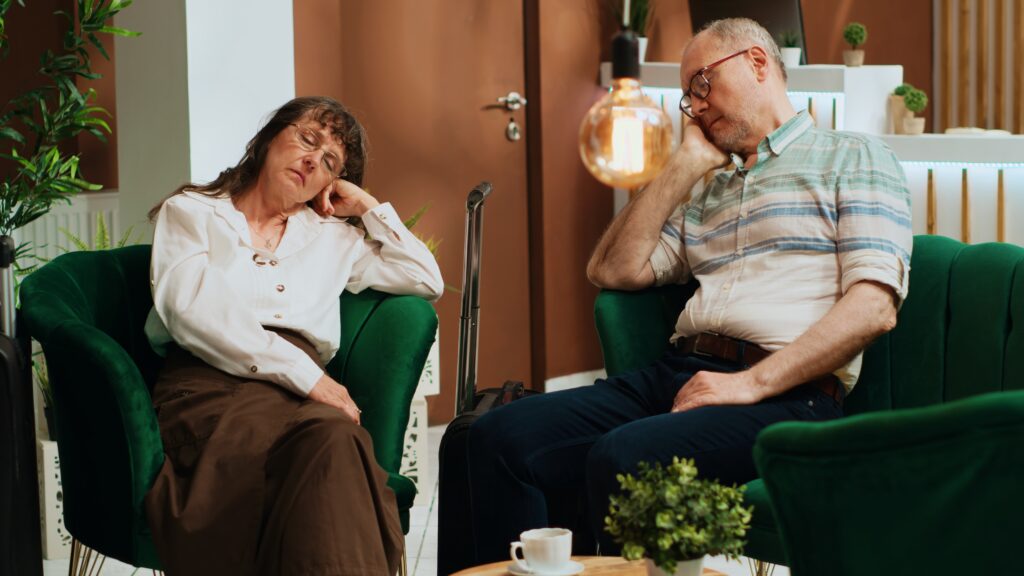
Reasons Why Retirement Affects Your Mental Health
Retirement can change much more than your work schedule. It can affect how you spend your time, where you find purpose, how often you connect with people, and how you see yourself.
Your Daily Routine Suddenly Disappears
For decades, work may have given your days a predictable rhythm. You had somewhere to be, tasks to complete, and people expecting you to show up.
Once that structure disappears, having unlimited free time can feel less enjoyable than you expected. Without plans or responsibilities, your days may start to feel repetitive.
You may notice yourself:
- Sleeping later than usual.
- Watching television for hours without enjoying it.
- Putting off errands because there is always tomorrow.
- Finding fewer reasons to leave the house.
For example, Raj spent more than 35 years working as a bank manager. He initially enjoyed having slower mornings. After a few months, he realised he was spending most afternoons watching television simply because he had nowhere else to be.
Creating a new routine can take time, especially when your previous schedule was built around work.
If lack of structure is leaving you stuck rather than simply adjusting, it helps to understand why depression makes it so hard to motivate yourself.
You Miss Feeling Needed
Work can give you a strong sense that your skills and experience matter. You may have spent years managing people, helping customers, caring for patients, teaching others, or running a business.
After retirement, fewer people may depend on you in the same way. That change can leave you wondering what role you have now.
You might ask yourself:
- What am I contributing now?
- Does anyone need my experience?
- What gives my day meaning?
For example, Margaret worked as a nurse for 35 years. She expected to miss the busy hospital environment, but what she missed most was knowing that she had helped someone each day.
Finding new ways to contribute can help replace some of the purpose that work once provided.
Your Social Life Changes More Than Expected
Work provides regular social contact that can be easy to overlook. A quick conversation over coffee, a colleague asking how your weekend went, or a shared lunch can all create a sense of connection.
After retirement, these small interactions may disappear. Friends may still be working, while family members have their own routines and responsibilities.
You might notice:
- Fewer everyday conversations.
- Seeing friends less often.
- Feeling lonely during the week.
- Spending more time alone than you expected.
For example, John worked in an office for more than 30 years. He thought he would miss the work itself, but what he missed most was laughing with colleagues and having someone to talk to during lunch.
Retirement can therefore require you to be more intentional about maintaining and building social connections.
Your Sense Of Identity Begins To Change
For many people, their career becomes part of how they describe themselves.
“I’m a teacher.”
“I’m an electrician.”
“I’m a business owner.”
After retirement, that familiar description may no longer feel natural. You may wonder who you are when your professional role is no longer part of your everyday life.
This does not mean you have lost your identity. You are simply adjusting to a stage where your career is no longer the main way you define yourself.
For example, Peter still catches himself saying, “I’m an accountant,” when someone asks what he does, even though he retired two years ago. His career had been part of his identity for decades.
This adjustment can become easier as you develop other roles, interests, and sources of meaning.
You’re Adjusting To More Than Just Retirement
Retirement often happens alongside other major changes. These can make the transition more emotionally demanding than expected.
You may also be dealing with:
- Children leaving home.
- Becoming a grandparent.
- Caring for an ageing spouse or parent.
- Changes in your own health.
- Losing friends or loved ones.
For example, Sheila expected retirement to mean travelling with her husband. Instead, she found herself caring for her elderly mother while dealing with her own health concerns. She felt exhausted and wondered why retirement did not feel relaxing.
Even positive changes can require adjustment when several happen at once.
Retirement is therefore not simply about stopping work. It can involve rebuilding your routine, purpose, relationships, and sense of identity while adapting to other changes happening around you.
Understanding these changes can make it easier to recognize why retirement may affect your emotional wellbeing and when additional support could be helpful.
When Should Reach Out For Professional Assistance?
Retirement is one of life’s biggest transitions, so it’s completely normal to need time to adjust. Many people experience a mix of emotions during the first few months, including excitement, uncertainty, sadness, or even relief. As you settle into a new routine, these feelings become easier to manage.
If those feelings continue for months or begin affecting your daily life, it may be a sign that you need more support than you can provide yourself.
You may benefit from therapy if you:
- Feel sad, empty, or emotionally low most days, and those feelings don’t seem to improve over time.
- No longer enjoy activities you once looked forward to, even when you try to stay active or spend time with loved ones.
- Feel lonely or disconnected, even when you’re surrounded by family or friends.
- Struggle to find purpose or motivation, making it difficult to start your day or stay engaged in daily activities.
- Feel constantly worried about the future, your health, finances, or what this next stage of life will look like.
- Notice ongoing changes in your sleep, appetite, or energy levels that aren’t improving.
- Find yourself thinking, “I should be happier than this,” but can’t seem to shake the feeling that something isn’t right.
If these feelings are persisting, these 7 signs your depression needs professional support can help you recognise when it’s time to reach out.
How Weiss Wellness Helps You Adjust to Life After Retirement
Retirement looks different for everyone. At Weiss Wellness, our therapists take the time to understand what this transition has been like for you and what challenges you’re facing.
Rediscover Purpose Beyond Your Career
Together, we’ll explore what gives your life meaning now and help you build a routine that reflects your values, interests, and goals.
Manage the Emotional Impact of Retirement
Whether you’re feeling anxious, lonely, uncertain, or grieving the loss of your working life, therapy provides a safe space to understand and process those emotions.
Build Healthy Routines That Support Your Well-Being
We’ll help you create realistic daily habits that bring more structure, connection, and enjoyment into your life.
Strengthen Your Confidence for This Next Chapter
Using evidence-based approaches such as CBT, mindfulness, and other personalised therapies, we’ll help you develop practical strategies to manage difficult emotions and adjust with greater confidence.
At Weiss Wellness, we believe retirement isn’t the end of your story. It’s the beginning of a new chapter, and you don’t have to navigate it alone.
Final Thoughts
Retirement can bring freedom and new opportunities, but it can also leave you feeling uncertain about your purpose, routine, and identity. These feelings are more common than many people realise, and they don’t mean you’ve done anything wrong.
If you’re finding it difficult to adjust to life after retirement, Weiss Wellness in New Jersey is here to help. With compassionate, personalised therapy, we can help you build confidence, rediscover purpose, and create a fulfilling life beyond your career. Contact us today to take the first step toward feeling like yourself again. Learn more about life transitions therapy in New Jersey and how Weiss Wellness can help.
Frequently Asked Questions
Yes. Many people expect retirement to be the happiest stage of their lives, so they feel guilty or confused when they experience sadness, loneliness, or a loss of purpose instead. Remember that retirement is a major life transition, and it’s normal to have mixed emotions while adjusting. Acknowledging these feelings is the first step toward working through them.
It can. Spending more time at home may change long-established routines and expectations. Some couples struggle to adjust to being together more often, while others may disagree about finances, household responsibilities, or how to spend their time. Open communication and respecting each other’s need for personal space can help ease this transition.
There’s no set timeline. Some people settle into retirement within a few months, while others may need a year or longer to feel comfortable with their new routine. Your adjustment can depend on factors such as your health, financial situation, social support, and whether your retirement was planned or unexpected.
That’s more common than you might think. If your career has been your main focus for many years, it can take time to discover what you enjoy outside of work. Start by trying one new activity at a time, such as gardening, painting, volunteering, joining a walking group, or taking a class. You don’t have to find your passion immediately. Exploring new interests is part of the journey.
Yes. Even when retirement is planned and welcomed, it still brings significant changes to your daily routine, social life, and sense of identity. Feeling excited about retirement and finding it emotionally challenging can happen at the same time. These experiences are not mutually exclusive.
Start by listening without trying to immediately solve the problem. Encourage them to talk about how they’re feeling and avoid saying things like, “You should be enjoying retirement.” Invite them to spend time together, stay socially connected, and gently encourage activities they used to enjoy. If their low mood persists or begins affecting their daily life, suggest speaking with a mental health professional.
Not at all. Retirement often creates the opportunity to focus on goals and interests that weren’t possible during your working years. Many people discover new passions, volunteer in their communities, mentor others, travel, or learn new skills after retiring. Purpose doesn’t have an age limit, and it’s never too late to build a meaningful and fulfilling life.
Absolutely. Therapy isn’t only for people with a diagnosed mental health condition. It can help you adjust to major life changes, manage uncertainty, cope with loneliness, rebuild confidence, and create a meaningful routine. Many people seek therapy during retirement simply because they want support as they navigate this new stage of life.